Innovative Biotech Research: Transforming the Future
- Rene Tarongoy
- 6 hours ago
- 4 min read

Biotechnology is no longer just a buzzword; it is a rapidly evolving field that is reshaping our world. From healthcare to agriculture, innovative biotech research is paving the way for solutions to some of humanity's most pressing challenges. As we delve into the transformative potential of this field, we will explore groundbreaking advancements, real-world applications, and the future of biotechnology.
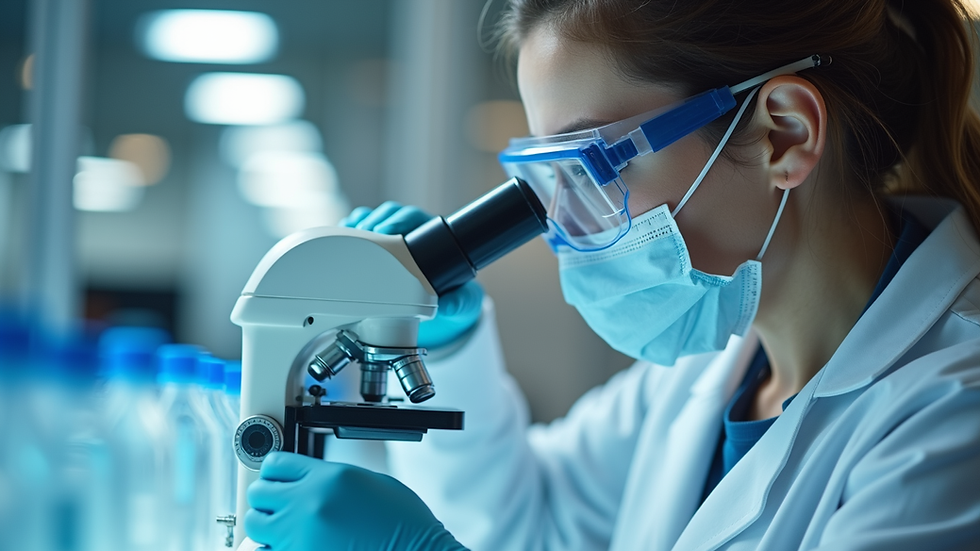
Understanding Biotechnology
Biotechnology combines biology and technology to develop products and processes that improve our lives. This field encompasses a wide range of applications, including:
Medical Biotechnology: Developing new drugs, vaccines, and diagnostic tools.
Agricultural Biotechnology: Enhancing crop yields and resistance to pests.
Industrial Biotechnology: Creating sustainable processes for manufacturing.
The core of biotechnology lies in manipulating living organisms or their components to create useful products. This manipulation can involve genetic engineering, cell culture, and fermentation technologies.
The Role of Genetic Engineering
Genetic engineering is a cornerstone of modern biotechnology. It allows scientists to modify the genetic material of organisms, leading to significant advancements in various sectors. Here are some key areas where genetic engineering is making a difference:
Medical Applications
Gene Therapy: This innovative approach aims to treat or prevent diseases by inserting genes into a patient's cells. For example, researchers are developing gene therapies for genetic disorders like cystic fibrosis and muscular dystrophy.
Personalized Medicine: By analyzing an individual's genetic makeup, healthcare providers can tailor treatments to suit specific needs. This approach enhances the effectiveness of therapies and minimizes side effects.
Agricultural Advancements
Genetically Modified Organisms (GMOs): Crops such as Bt corn and Roundup Ready soybeans have been engineered for pest resistance and herbicide tolerance. These modifications lead to higher yields and reduced reliance on chemical pesticides.
CRISPR Technology: This revolutionary gene-editing tool allows for precise modifications in the DNA of organisms. Researchers are using CRISPR to develop crops that can withstand extreme weather conditions, ensuring food security in a changing climate.
Biopharmaceuticals: A New Era in Medicine
Biopharmaceuticals are drugs produced using biotechnology. They include a wide range of products, such as monoclonal antibodies, vaccines, and recombinant proteins. The development of biopharmaceuticals has transformed the treatment landscape for various diseases.
Case Study: Monoclonal Antibodies
Monoclonal antibodies are engineered to target specific antigens in the body. They have become essential in treating conditions like cancer, autoimmune diseases, and infectious diseases. For instance, the monoclonal antibody trastuzumab (Herceptin) is used to treat HER2-positive breast cancer, significantly improving patient outcomes.
The Vaccine Revolution
The COVID-19 pandemic highlighted the importance of biopharmaceuticals, particularly vaccines. mRNA vaccines, such as those developed by Pfizer-BioNTech and Moderna, represent a breakthrough in vaccine technology. These vaccines use messenger RNA to instruct cells to produce a harmless piece of the virus, prompting an immune response without causing disease.
Sustainable Solutions in Agriculture
Biotechnology is also playing a crucial role in creating sustainable agricultural practices. As the global population continues to grow, the demand for food increases, necessitating innovative solutions.
Biofertilizers and Biopesticides
Biotechnology has led to the development of biofertilizers and biopesticides that enhance soil health and reduce chemical inputs. These products are derived from natural organisms and promote sustainable farming practices.
Drought-Resistant Crops
With climate change posing significant challenges to agriculture, researchers are developing drought-resistant crops through genetic engineering. These crops can thrive in arid conditions, ensuring food production even in the face of water scarcity.
Industrial Biotechnology: A Greener Future
Industrial biotechnology focuses on using biological processes for manufacturing and production. This approach offers sustainable alternatives to traditional methods, reducing environmental impact.
Bioplastics
The production of bioplastics from renewable resources is gaining traction. Unlike conventional plastics derived from fossil fuels, bioplastics are biodegradable and have a lower carbon footprint. Companies are exploring ways to produce bioplastics from agricultural waste, contributing to a circular economy.
Biofuels
Biofuels, produced from biomass, are a promising alternative to fossil fuels. They can help reduce greenhouse gas emissions and dependence on non-renewable energy sources. Advances in biotechnology are improving the efficiency of biofuel production, making it a viable option for the future.
Ethical Considerations in Biotechnology
As biotechnology continues to advance, ethical considerations become increasingly important. Issues such as genetic privacy, the potential for designer babies, and the environmental impact of GMOs raise questions that society must address.
Regulatory Frameworks
Governments and organizations worldwide are working to establish regulatory frameworks that ensure the safe and ethical use of biotechnological advancements. These regulations aim to balance innovation with public safety and environmental protection.
Public Perception
Public perception of biotechnology varies widely. While some embrace the potential benefits, others express concerns about safety and ethical implications. Effective communication and education are essential to foster understanding and acceptance of biotechnological innovations.
The Future of Biotechnology
The future of biotechnology is bright, with ongoing research and development promising even more groundbreaking advancements. Here are some trends to watch:
Synthetic Biology
Synthetic biology combines engineering principles with biology to design and construct new biological parts and systems. This field holds the potential to create custom organisms for various applications, from medicine to environmental remediation.
Artificial Intelligence in Biotech
Artificial intelligence (AI) is increasingly being integrated into biotechnology research. AI algorithms can analyze vast amounts of data, accelerating drug discovery and optimizing bioprocesses. This synergy between AI and biotechnology is expected to drive innovation and efficiency.
Global Collaboration
As challenges such as climate change and pandemics transcend borders, global collaboration in biotechnology research is essential. International partnerships can facilitate knowledge sharing and accelerate the development of solutions that benefit humanity as a whole.
Conclusion
Innovative biotech research is transforming the future, offering solutions to some of the most pressing challenges we face today. From medical breakthroughs to sustainable agricultural practices, the potential of biotechnology is vast. As we continue to explore and harness these advancements, it is crucial to navigate the ethical considerations and ensure that the benefits of biotechnology are accessible to all. The journey of biotechnology is just beginning, and its impact on our world will only grow in the years to come.
By staying informed and engaged, we can all play a role in shaping a future where biotechnology serves as a powerful tool for positive change.
Comments